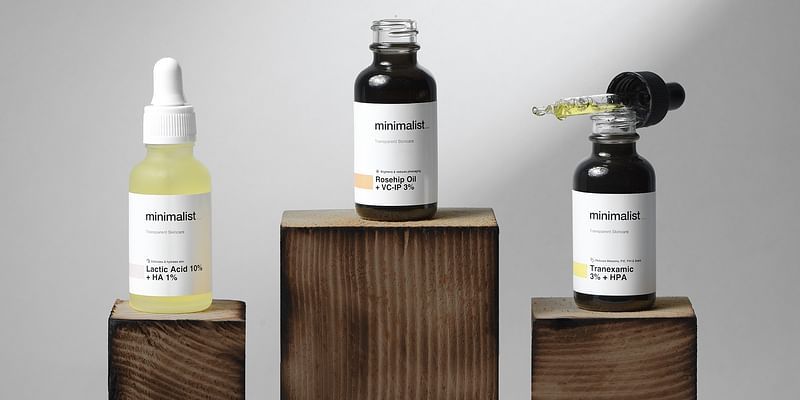
FMCG major Hindustan Unilever Limited has acquired 90.5 percent stake in skincare startup for Rs 2,955 crore in an all cash deal, the company said while announcing its quarterly results on January 22. The deal, one of the largest in the direct to consumer (D2C) space, will close by the end of the June quarter of 2025
From Banking to Startups – The Unexpected Beginning
Mohit Yadav’s journey into entrepreneurship wasn’t planned. Raised in Jaipur, he began his career as an AVP at Credit Suisse in the mid-2000s. In 2006, the bank offered him a prestigious opportunity to move to London or Hong Kong. For most, it would’ve been a dream come true. For Mohit, it wasn’t. Preferring to stay close to his family, he teamed up with his younger brother Rahul, an IIT Roorkee chemical engineer, and ventured into business.
In 2008, they launched Scopial Fashion, an online T-shirt store. Later rebranded as Mangostreet, the brand stood out by crowdsourcing designs for kids’ fashion. After four successful years, they sold it to Hushbabies, an emerging baby care e-commerce platform.
Exploring New Horizons
Fresh off their first exit, the brothers joined CarDekho, a well-known startup from Jaipur. Two years later, Mohit found himself heading to Jakarta as the CEO of Otis.com, an automobile portal by CarDekho and Indonesia’s largest media company. Although the role was exciting, family ties brought Mohit back to India after two years.
The duo’s next project was Freewill, a custom haircare brand that raised nearly ₹100 Cr. However, scaling it proved challenging. Armed with 12 years of experience across multiple startups and deep insights into the beauty and personal care (BPC) market, they decided it was time for something new.
The Birth of Minimalist – An Unconventional Start
In October 2020, the brothers launched Minimalist, a skincare brand that broke all traditional rules of product launches. They introduced their brand with a simple Instagram post—no big campaigns, no influencers. With just 1,000 bottles produced initially, they thought it would take time to build traction.
They were wrong. Within two days, all 1,000 bottles were sold, and their Instagram account exploded from 300 to 10,000 followers. Within just eight months, Minimalist hit ₹100 Cr in revenue, signaling a revolution in India’s skincare market.
Disrupting an Industry – The Transparent Approach
Minimalist wasn’t just another skincare brand; it was a bold experiment. Mohit and Rahul believed that the Indian skincare industry was outdated, dominated by generic products with exaggerated claims backed by celebrity endorsements.
Most legacy brands targeted India’s 1.3 billion population with one-size-fits-all solutions, often ignoring transparency and data-backed formulations. The Yadav brothers saw a gap in the market: science-driven, ingredient-first products for real skin concerns like acne and pigmentation.
Their inspiration? The Ordinary, a U.S.-based skincare brand known for its minimalist packaging and transparent ingredient lists.
The Road Ahead
Minimalist’s meteoric rise is a testament to how data, science, and consumer-centric innovation can transform a stagnant industry. With Hindustan Unilever eyeing the brand and consumers embracing ingredient-focused skincare, Minimalist has positioned itself as a leader in India’s modern beauty space.
As Mohit and Rahul Yadav continue their journey, Minimalist is more than a skincare brand—it’s proof that bold ideas, family roots, and a passion for innovation can reshape industries.
The Birth of Minimalist – Transparency and Innovation at Its Core
In October 2020, the Yadav brothers launched Minimalist, a skincare brand built on two core principles:
1. Absolute Transparency – Unlike most traditional skincare brands, Minimalist provided complete clarity on its product labels, focusing on ingredients and their specific use cases. Their product pages featured data from consumer studies, and their Instagram posts educated users on the benefits and effects of skincare ingredients like lactic acid, AHA, BHA, and Niacinamide.
2. Focused Product Portfolio – Every product was a ‘hero SKU,’ meaning it had a clear, specific purpose and was designed to address targeted skincare concerns like acne or pigmentation. This focused strategy ensured that each product became a significant driver of revenue.
Instant Success with Minimal Marketing
Minimalist’s approach struck a chord with modern Indian consumers, especially the growing online skincare community. Influencers and beauty bloggers quickly noticed the brand’s ingredient-first focus and began creating organic, unpaid content about its products. With minimal marketing spends, the brand’s demand skyrocketed.
Within two days of launch, Minimalist’s initial batch of 1,000 bottles sold out, and its Instagram followers grew from 300 to 10,000. In just eight months, the brand had hit ₹100 Cr in revenue, proving that transparency and a science-backed approach were the future of skincare.
Controversy and Comparisons
Success, however, did not come without challenges. Minimalist faced criticism for its stark resemblance to The Ordinary, a popular U.S.-based skincare brand known for its ingredient-focused labelling and minimalist aesthetic. Even the shape of Minimalist’s bottles mirrored The Ordinary’s pharmaceutical-style design.
For India’s online skincare community, The Ordinary was highly respected but largely unaffordable. Minimalist filled that gap, offering similar science-based formulations at a far more accessible price point. Despite the controversy, this strategy worked in its favor, and Minimalist quickly became the go-to brand for consumers looking for affordable, transparent skincare.
Revolutionizing India’s Skincare Industry
The Indian skincare market was long dominated by legacy brands relying on celebrity endorsements and vague, exaggerated claims. Products were marketed as catch-all solutions for every skin type, with little focus on transparency or targeted results.
Mohit and Rahul’s vision was different. They believed that Indian consumers were ready for a new wave of skincare—one driven by science, data, and transparency. Minimalist’s success validated their belief and disrupted the industry in a big way.
Today, Minimalist stands at the forefront of India’s skincare revolution. With talks of a ₹3,000 Cr acquisition and an ever-growing customer base, the brand has proven that bold ideas, a consumer-first approach, and a commitment to transparency can reshape even the most traditional industries.
Honest, Authentic, and Affordable – The Perfect Timing for Growth
While some critics questioned Minimalist’s similarity to The Ordinary, others applauded it for making science-backed skincare accessible at affordable prices for Indian consumers. Ironically, the debate only boosted the brand’s visibility. More consumers tried the products, and as positive reviews spread, the narrative shifted in favor of Minimalist.
With their hypothesis proven right, the brand was ready to scale aggressively.
By 2020, India’s skincare market was worth around $1.7 billion, with a consistent growth rate of 13–15% over the previous five years. Despite this growth, the industry was dominated by legacy players with high barriers for new entrants.
Hindustan Unilever (HUL), with brands like Lakme and Ponds, led the market by catering to both affordable and premium categories. L’Oréal targeted affluent, urban consumers through Garnier and L’Oréal Paris. The market was segmented into three main groups:
• Millennials – The largest consumer segment, heavily influenced by global trends and social media.
• Gen Z – An emerging group seeking trendy and affordable options.
• Older Adults – A smaller segment primarily interested in anti-aging products.
The COVID-19 pandemic transformed the market even further. With lockdowns in place, self-care took center stage, and skincare became a growing priority for many. Online searches for terms like “DIY skincare” and “best products for acne” surged by over 40%.
A report by Deloitte found that over 60% of Indian millennials and Gen Z actively research skincare products online before purchasing. Platforms like Instagram and YouTube became essential for consumer education and purchasing decisions. This trend fueled the rise of skincare influencers, who empowered their followers with ingredient knowledge and created a new standard of transparency for brands.
In addition to transparency, “clean beauty” gained momentum, with consumers gravitating towards products free from harmful chemicals. This shift opened doors for brands like Nat Habit and many other startups promoting natural and toxin-free beauty solutions.
A 2021 McKinsey survey also highlighted a growing emphasis on social values among India’s millennial and Gen Z consumers. They increasingly sought brands that aligned with their beliefs, focusing on sustainability, authenticity, and ethical practices.
The Rise of Conscious Consumers
As consumers became more conscious about sustainability, ethical sourcing, and cruelty-free products, they increasingly favored brands that aligned with these values. Many were even willing to pay a premium for eco-friendly and ethical skincare options.
The pandemic-fueled shift to online shopping further accelerated this trend. E-commerce platforms like Nykaa and Amazon became the go-to destinations for beauty and skincare purchases. These platforms offered easy access to a wide range of brands, including niche and international labels, while enabling consumers to compare prices, check ingredients, and read product reviews before making a decision.
With online shopping becoming the norm and consumers becoming more informed, Minimalist was perfectly positioned to capitalize on the growing demand for transparent, science-backed skincare products.
Nothing to Hide
Minimalist’s early strategy was built on two pillars: transparency and education—both of which resonated deeply with the evolving preferences of pandemic-era consumers.
From day one, the brand focused on educating customers about skincare ingredients, helping them understand exactly what they were putting on their skin. Each product had a simple, no-frills formulation with minimal but high-quality ingredients, backed by scientific research and clearly labeled for full transparency.
This honest approach instantly appealed to younger, ingredient-conscious consumers seeking authenticity in their skincare routines. To maintain momentum and generate excitement, Minimalist adopted innovative launch strategies that combined education with engagement.
One such strategy was the “Ingredient Spotlight Launch.” Weeks before releasing a new product, Minimalist would tease the key ingredient—sharing educational content about its benefits, usage, and scientific backing. This approach created curiosity and anticipation, ensuring high demand when the product was finally launched.
Building a Unique D2C Playbook
Minimalist’s growth was anything but conventional. Instead of following typical D2C (direct-to-consumer) strategies, they created a contrarian playbook that set them apart.
The brand opted for in-house manufacturing, giving it full control over quality and costs. Its lean product portfolio of under 20 SKUs ensured each product was carefully curated and targeted a specific skincare need. They also maintained a consistent pricing strategy across all platforms—from their own website to marketplaces like Nykaa and Amazon.
Unlike many D2C brands, Minimalist rejected discounts, flash sales, and celebrity endorsements. Instead, they focused on building trust through transparency and product efficacy.
At a time when competitors were promoting “natural” and “chemical-free” claims, Minimalist stood out by embracing “chemical” as its identity. The brand pioneered active ingredient marketing, educating consumers on the science behind skincare. This bold strategy resonated with ingredient-savvy consumers who were inspired by global brands like The Ordinary, which had already popularized active ingredients in the U.S. market.
Minimalist did what The Ordinary had done—naming the key chemicals upfront, explaining their benefits, and offering them at affordable prices. However, what made Minimalist truly competitive was its accessible pricing, ranging between ₹300–₹700, thanks to its local manufacturing. While multinational brands relied on costly imports, Minimalist offered high-quality products at Indian-friendly prices.
This unconventional strategy worked. The brand saw month-over-month growth and was profitable from its first month.
Scaling with Smart Funding and Strong R&D
Minimalist’s rapid success caught the attention of investors. In July 2021, the company raised $15 million (₹110 Cr) in Series A funding, with Hindustan Unilever (HUL) joining as a key investor. HUL’s move proved to be a smart bet on the rising demand for science-backed skincare in India.
The funds gave a significant boost to Minimalist’s R&D capabilities. With a team that included former L’Oréal and Estée Lauder researchers, the brand allocated 2–5% of its revenue to research, driving product innovation.
Minimalist also focused on expanding its manufacturing capacity and strengthening its distribution network, aiming to establish a presence in Tier-1 and Tier-2 cities. Strategic partnerships with leading e-commerce platforms like Nykaa and Amazon helped them penetrate deeper into the market and reach a broader audience.
To stay ahead, Minimalist followed rapid product innovation cycles to meet changing consumer demands—like introducing more potent SPF formulations—and focused on customer retention through continuous improvements.
A Growing Market and Rising Competition
As Minimalist grew and attracted investor interest, it paved the way for a flood of new skincare startups eager to capture a slice of the growing market. The competition was heating up, but Minimalist remained focused on its core principles: transparency, science-backed solutions, and affordable pricing.
A Clean Revolution is Here
Minimalist’s success is a testament to how a direct-to-consumer (D2C) model can thrive without expensive offline distribution. With nearly 90% of sales coming from online channels, the brand achieved an 8x growth to reach ₹184 crores in annual revenue within a few years of its launch.
The momentum didn’t stop there—Minimalist is projected to hit ₹350 crores in revenue for FY24, marking another 2x growth. Remarkably, the company has maintained profitability in each of the last four financial years, with ₹100+ crore in liquid assets as of March 2024.
While many challenger brands have struggled—such as WoW Science, which is searching for a buyer at a reduced valuation, or Mamaearth, facing challenges with its offline strategy—Minimalist has remained consistent and profitable.
Expanding Horizons and Staying True to the Brand
Today, Minimalist offers a portfolio of 50+ products, covering skin, body, hair, lip care, and in June 2024, it ventured into baby care, a market dominated by players like Mamaearth and The Moms Co. Despite its expanding range, the brand maintains its core principle—affordability without compromise—eschewing flash sales and steep discounts.
Much of Minimalist’s success can be attributed to its team of 572 professionals, many of whom have pharmaceutical backgrounds. The younger Yadav brother, with his expertise in chemical engineering, has fostered a culture of meticulous attention to detail in formulations. This contrasts sharply with competitors who outsource manufacturing and focus primarily on marketing.
The team also includes cosmetic science specialists, ensuring that Minimalist’s products balance scientific efficacy with aesthetic appeal. This holistic approach makes the brand stand out in a market where many competitors offer generic solutions.
Breaking the One-Size-Fits-All Approach
Minimalist’s early success in a competitive market reflects the principle of “Do Things that Don’t Scale.” Historically, India’s beauty and personal care industry relied on one-size-fits-all products backed by celebrity endorsements and exaggerated advertising.
Minimalist challenges this legacy. While it’s not the first brand to break away from mass-market strategies, it stands out for offering targeted solutions for niche concerns. Every product is carefully crafted to address a specific problem—all without straining the consumer’s wallet.
For years, beauty and personal care seemed like rocket science to the average consumer. Today, it’s still science—just without the rocket.


 dissectvc.com